-
- 31 x
-
https://torno.lv/xur98C0
Studying history can be addictive, just like smoking or chocolate. The more you delve into history, the more enthusiasm you have to discover something new. At some point, you become obsessed with ancient facts.
It`s proven that people like exotic and even shocking things the most. We`ll tell you about 11 weird things our ancestors did. Yes, they didn`t have to be bored...
Continuation of the article
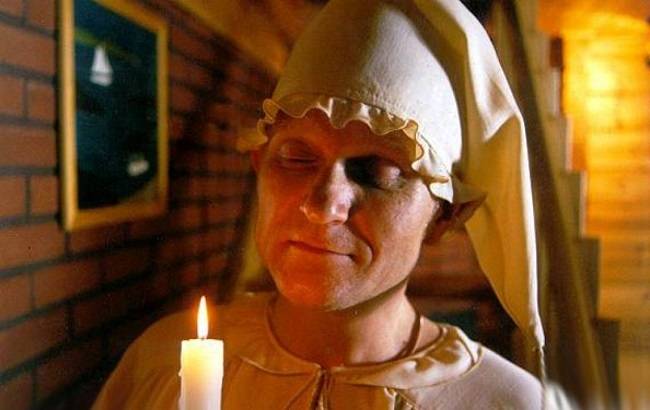
1. Sleeping twice a night
In the 18th century, sleeping twice a night was common. For example, you could go to bed at 9:00 PM, wake up at 3:00 AM, put on a coat and go to your neighbor to find out how they`re doing, and then go back to your warm bed until dawn. This unusual sleep schedule is not made up. It`s mentioned in literature, personal diaries, and even court documents.
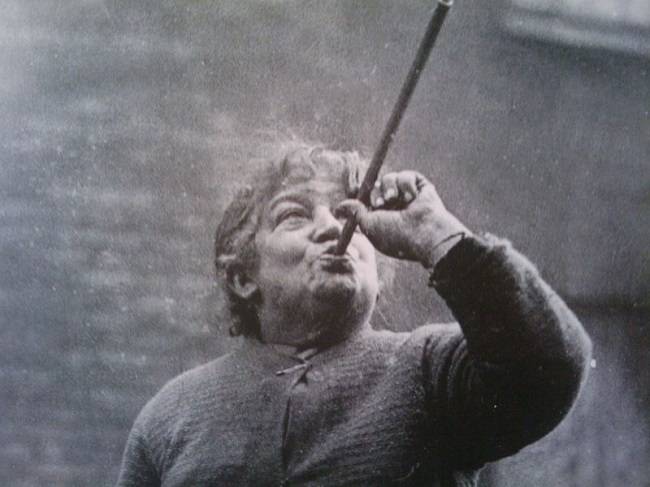
2. Human alarm clocks
During the industrialization era in Great Britain, the concept of a work schedule appeared. Not everyone could afford a clock. Therefore, the need arose for the profession of a human alarm clock. These early birds woke up at the crack of dawn, went out on the street, and by knocking on window panes, informed about the arrival of morning. However, the alarm clocks themselves had no one to wake them up...
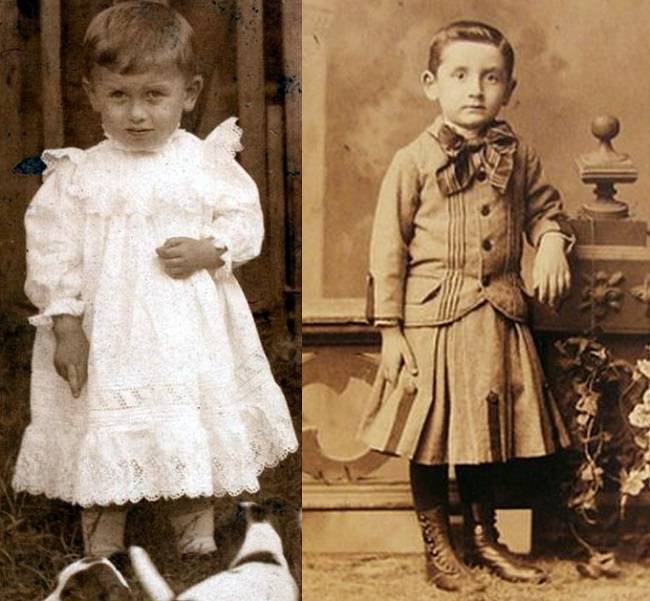
3. Boys wore dresses
If nowadays such behavior causes a stormy reaction in society, in ancient times it was considered normal. Most historians believe that parents dressed boys in dresses until the 1920s purely from a practical point of view: firstly, it was harder to outgrow dresses, secondly, it was easier to go to the bathroom.
4. High platform fashion
The phrase ”The new is the well-forgotten old” is so common that it`s no longer taken seriously. However, the next example shows that fashion is an extremely cyclical phenomenon.
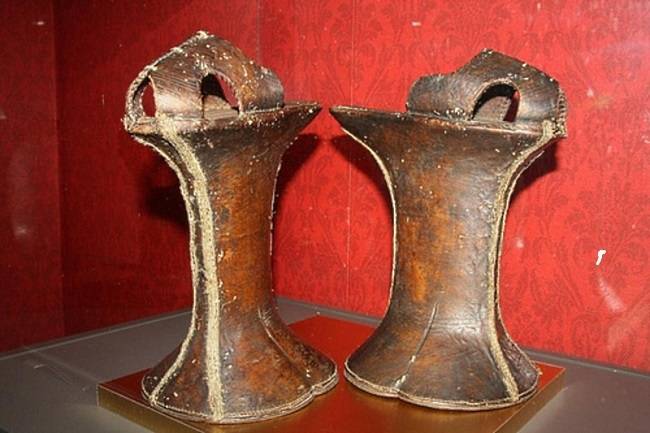
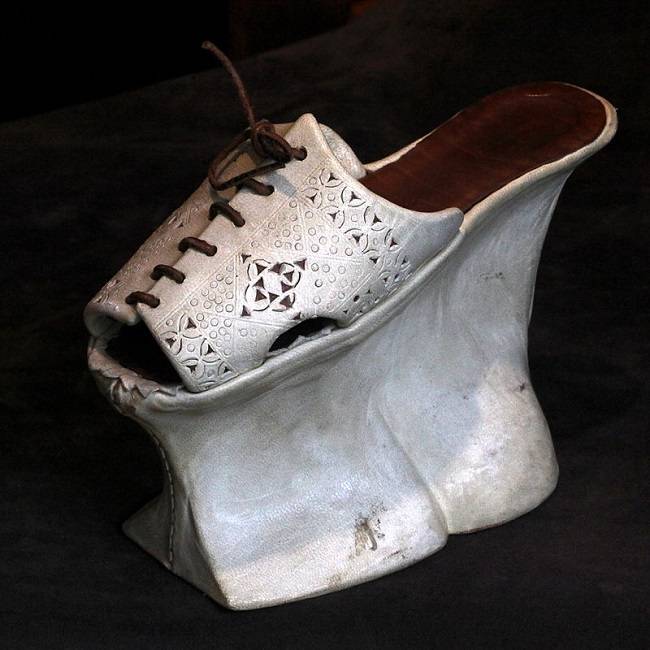
It turns out that today`s popular platform shoes were already favored in the 14th-17th centuries. At that time, high heels were not only a tribute to fashion but also a necessity of life, because in the Middle Ages and even the Renaissance, most of Europe was drowning in dirt.
5. Bloodletting as a panacea
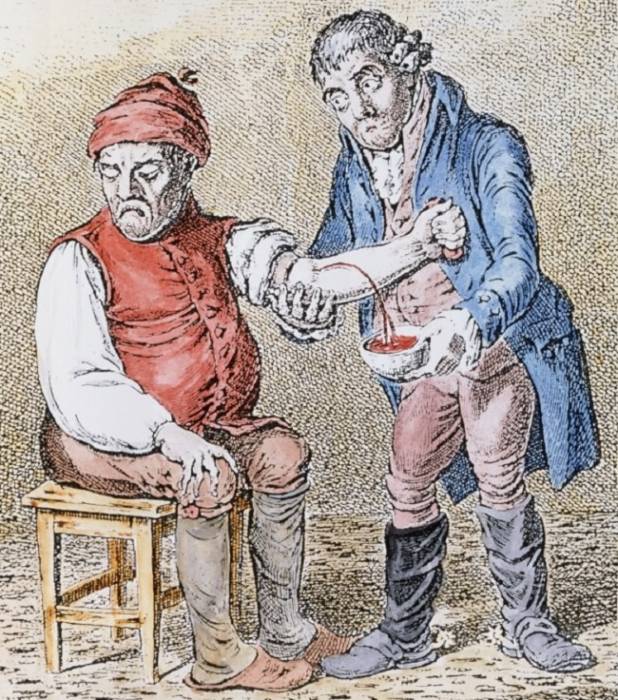
Starting from the Middle Ages and up to the 19th century, doctors believed that bloodletting could cure a person of any ailment. It got to the point where bloodletting was ”prescribed” for both headaches and tuberculosis. By the way, it was during the dark Middle Ages that the greatest number of legends about vampires arose.
6. Lack of hygiene
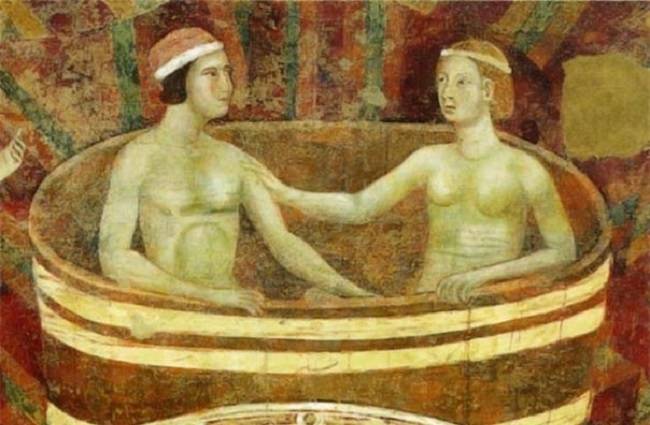
If in the ancient world there was a cult of the human body and hygiene procedures were praised as one of the greatest pleasures, then in the Middle Ages the situation was completely different: under the influence of the church, people at that time considered nudity sinful, people developed fears of catching a cold after water procedures and dying. For example, Queen Isabella of Castile in Spain boasted that she washed only twice in her life – at birth and on her wedding day.
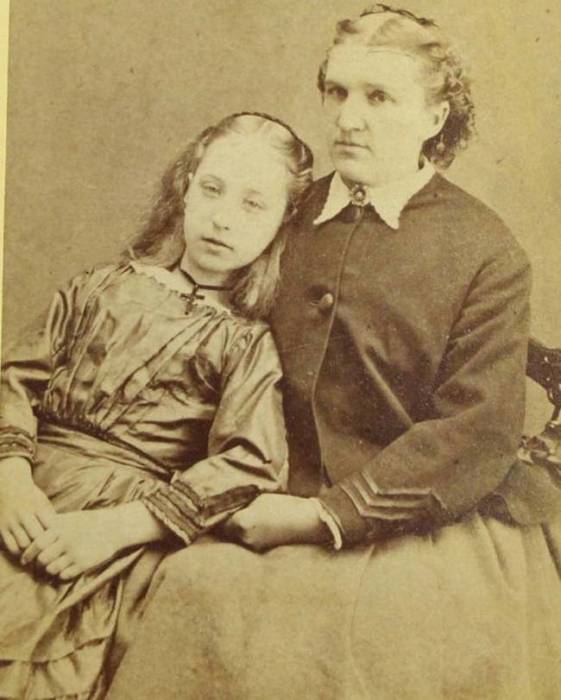
7. Post-mortem photographs
The Victorian era was quite a dark period in human history. But the creepy tradition of photographing dead people serves as proof of that! Relatives made such photographs to preserve the memory of departed family members.
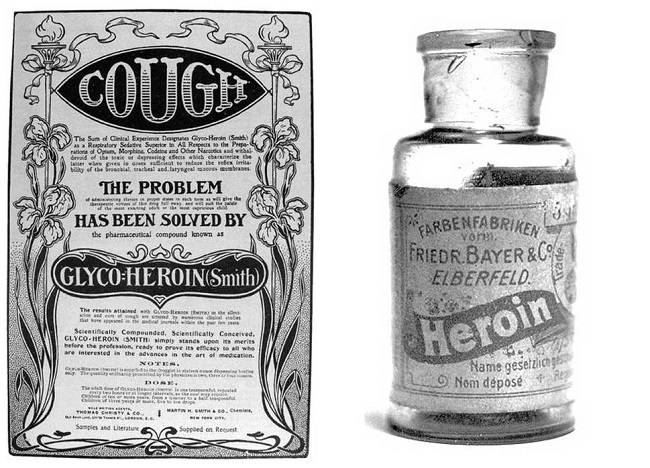
8. Heroin as cough medicine
Surprisingly, about 100 years ago, heroin was considered a harmless alternative to morphine and was sold in pharmacies as cough medicine. It was even prescribed to children.
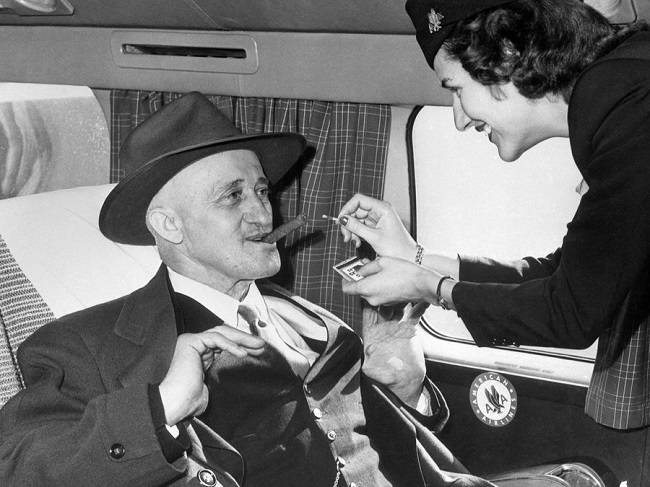
9. Smoking on airplanes
50-60 years ago, smoking was not considered a harmful habit. Smokers did not deny themselves this dubious pleasure even on airplanes in the presence of other people.
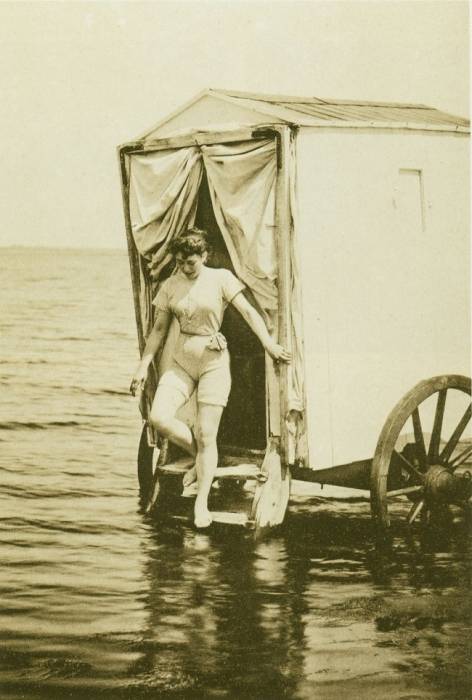
10. Bathing machines
Unlike us, in the 17th-19th centuries, people couldn`t just go to the beach to swim. For this purpose, special bathing machines were used – carts similar to beach huts. The carts were pulled into the water, and swimmers could calmly swim without attracting others` attention.
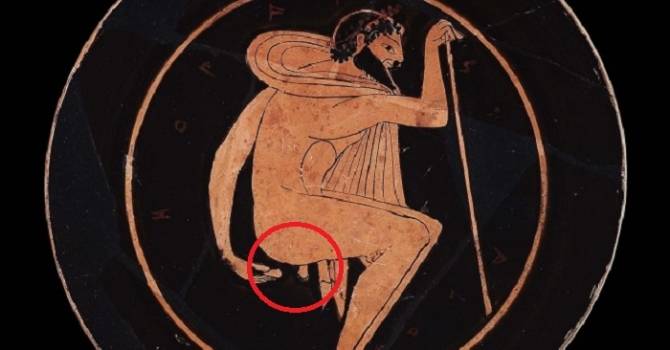
11. Stones instead of toilet paper
People used all sorts of things before toilet paper was invented: plant leaves, corn cobs, coconut shells, and even sheep`s wool. But what surprised us the most were the ancient Greeks: for certain hygienic purposes, they used stones, pebbles, and clay shards.
Our evolutionary path wasn`t easy. Obviously, after this information, little can surprise you in the modern era.
Liked what you saw? Recommend to friends
Next post