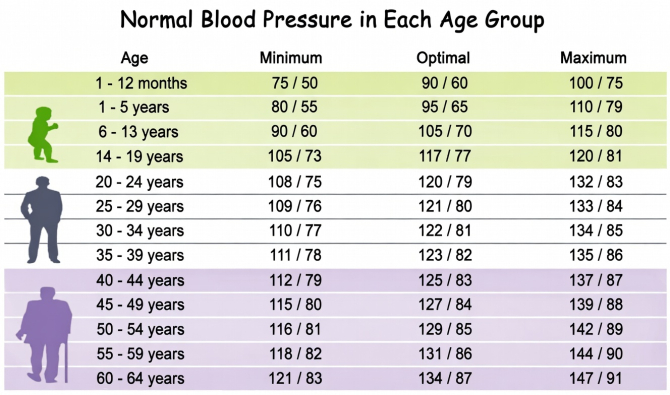
Save this table for yourself - and stay healthy!
What should a healthy persons blood pressure be for your age. And what is yours? Do you know what causes high blood pressure (hypertension)?
&Here are the main reasons:
Aging.
Overweight.
Stress.
Sedentary lifestyle.
Poor diet.
Smoking.
Thyroid diseases.
Genetics.
Hypertension is usually associated with the condition of the cardiovascular system. The biggest problem is that it is a “silent killer”: it is difficult to detect hypertension in the early stages - it does not show itself.
Therefore, it is very important to periodically measure blood pressure. And blood pressure readings should be appropriate for age. These correspond to the norm.
Women:
up to 20 years - 110/70
up to 30 years - 120/70
30-40 years - 120/80
40-50 years - 130/80
50-60 years - 140/80
more than 70 years - 150/80.
Men:
up to 20 years - 120/70
up to 30 years - 120/70
30-40 years - 120/80
40-50 years - 130/80
50-60 years - 140/80
more than 70 years - 150/80.
If you do not control blood pressure, it can cause problems such as:
stroke;
cardiovascular diseases;
kidney disease;
dementia;
aneurysm;
blindness;
sexual dysfunction.
All this can be prevented by following a few tips:
1. Quality of life.
To reduce blood pressure, you need to get rid of extra kilograms. Add sports and workouts. Start with small walks for 30 minutes.
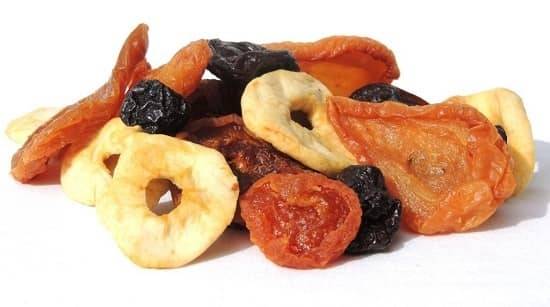
Eat foods with anti-inflammatory properties: dried fruits, vegetables, greens.
Reduce sodium intake, as salt retains fluid in the body, which in turn increases blood volume and pressure on blood vessels. Remove chips, crackers, and other salty foods from your diet. It is undesirable to abuse alcohol. For those who monitor their pressure, smoking is strictly prohibited.
2. Learn to manage stress.
Stress has a noticeable physiological effect on the body.
High levels of cortisol and other stress hormones lower the bodys defenses. To combat this, practice meditation, yoga, qigong. This will reduce blood pressure and improve the functioning of the cardiovascular system. Walks in fresh air are also great for reducing stress.
3. Diet.
Diet is one of the main ways to combat any health problem. Eat more fruits, vegetables, whole grain foods, and those rich in potassium (for example, bananas, melons, and greens). Give up fried and processed foods, sweets. All this intensifies the inflammatory process, harming the heart and arteries.
These foods and supplements will help lower blood pressure and improve cardiovascular health:
1) Garlic or garlic extract.
2) Magnesium: lowers blood pressure and helps regulate heart rate.
3) Omega-3 unsaturated fatty acids. Found in fatty fish (salmon and sardines), chia seeds, flaxseeds, nuts, etc.
4) Coenzyme Q10 - the so-called “elixir of life”. This substance is an excellent antioxidant immunomodulator.
What helps you cope with high blood pressure? Be sure to share this important information with others!