-
- 3 x
-
https://torno.lv/xWYExKX
Livers are often called a silent organ. Even when they have something to say, they remain quiet. However, if their diseases make themselves felt, you would never guess the real reason.
The thing is, there are no nerve endings in the liver, so it doesn`t hurt. As a result, for many years a person may not even suspect that their liver is not healthy. However, there are several symptoms that will raise suspicions about something wrong…
Continuation of the article
Why does the liver hurt
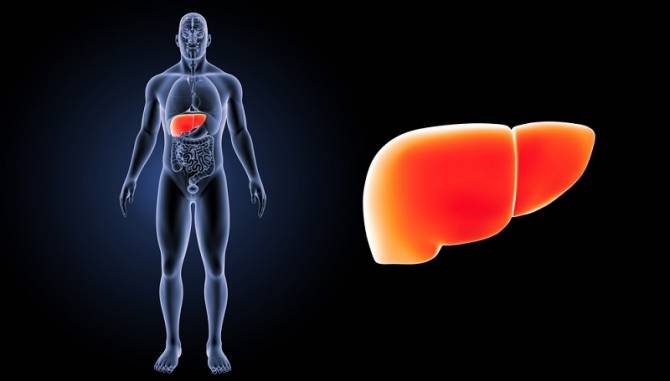
The liver is the largest gland in the human body. It weighs about 1.5 kilograms and performs more than 70 functions. It is located in the right hypochondrium under the diaphragm. The organ is in a special capsule that forms a shell of two layers.
When we talk about `pain` in the liver, it should be understood that this organ itself cannot hurt because it has no nerve endings. Painful or unpleasant sensations occur when the gland enlarges and the shell stretches. If the liver `hurts`, it means it is significantly enlarged.
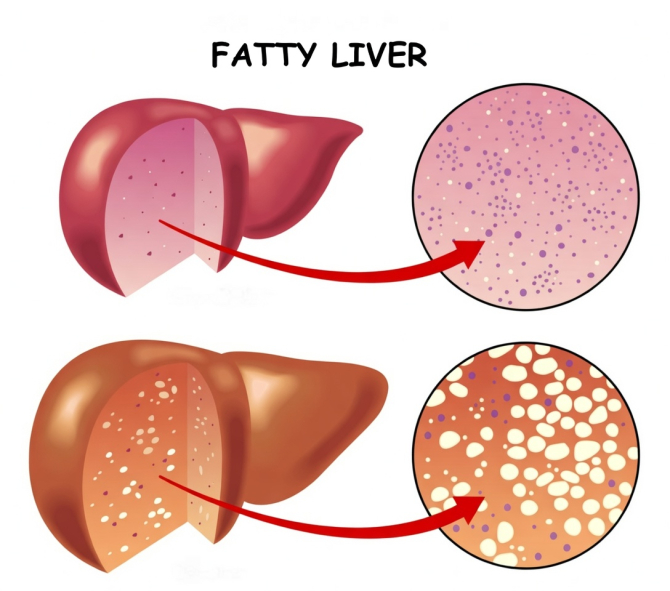
Due to the peculiarities of its structure and the functions it performs in the body, our natural filter is susceptible to many diseases. These include viral infections (hepatitis B, C, D) and bacterial and parasitic diseases (tuberculosis, abscess, alveococcosis, echinococcosis, ascariasis).
As well as hepatoses (alcoholic and non-alcoholic fatty liver disease), tumors (cyst, cancer, sarcoma, carcinoma), vascular (thrombosis, hypertension), congenital (hypoplasia, hemochromatosis, pigmented hepatosis), traumatic injuries.
Symptoms of liver diseases
The liver has unique regenerative abilities, but they are not infinite. Sometimes it signals subtly that you are overloading it. Let`s talk about what symptoms will help you understand that your liver is sick.
1. Symptom No. 1: loss of strength and general weakness
Liver diseases are characterized by complaints of unreasonable fatigue. Such changes are most often noticed first not by the patients themselves, but by people in their close circle.
Weakness, apathy, loss of strength, sleep disturbances can occur as a result of general intoxication of the body. This happens when the liver fails to cope with its main task - blood purification and neutralization of harmful substances.
2. Symptom No. 2: abdominal swelling
Ascites is the accumulation of fluid in the abdominal cavity, most often observed in cases of liver cirrhosis. It occurs when fluid or sodium is retained in the body and there is increased blood pressure in the veins coming from the intestinal tract and other organs to the liver.
Poor circulation and inflammation make it difficult to remove sodium from cells. Water accumulates there. Fluid accumulation can cause spasms, painful sensations, shortness of breath, and pain.
3. Symptom No. 3: painful sensations in the abdomen
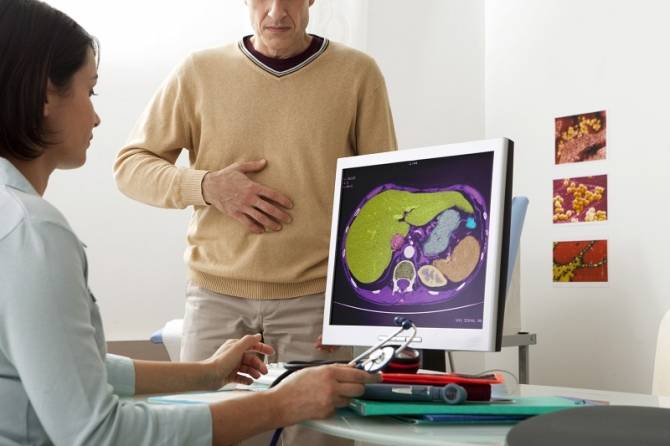
The liver is located on the right side of the body above the stomach and below the lungs. An inflamed liver hurts, and this pain is well felt between the ribs and lower.
4. Symptom No. 4: fluid retention
Sodium retention in the body and high blood pressure can cause fluid accumulation in the body even without ascites. Swelling of the face, hands, feet (edema) is a common occurrence in such cases. Edema can also be provoked by other diseases, such as lymphatic system dysfunction, kidney diseases, chronic heart failure.
Irregular or periodic fluid retention is characteristic during menstruation or pregnancy and passes on its own. If edema symptoms intensify or do not go away for a long time, the cause of their occurrence should be clarified.
5. Symptom No. 5: dyspepsia (digestive disorders)
From time to time, each of us encounters digestive disorders due to illness or poor-quality products. Prolonged nausea can be experienced due to various conditions, such as poisoning, vertigo, pregnancy, and migraines.
If you have nausea for several days (sometimes accompanied by diarrhea or vomiting), pay attention to it. Think about what could have caused the digestive disorder. If it doesn`t go away, make an appointment with a doctor. In case of liver failure, nausea is accompanied by other symptoms.
Cirrhosis and liver failure negatively affect the digestive tract. Bloating, abdominal pain, and nausea cause slowing of intestinal tract peristalsis. Insulin resistance and insufficient bacteria in the intestinal tract as a result of liver failure only multiply the complications.
6. Symptom No. 6: digestive disorders
Liver damage can cause intestinal permeability (so-called leaky gut), excessive bacterial growth in the small intestine, general slowing of food assimilation.
This happens due to changes in hormone levels and bile production. Chronic flatulence, changes in toilet habits, decreased comfort in the gastrointestinal tract may indicate liver dysfunction.
7. Symptom No. 7: itchy skin
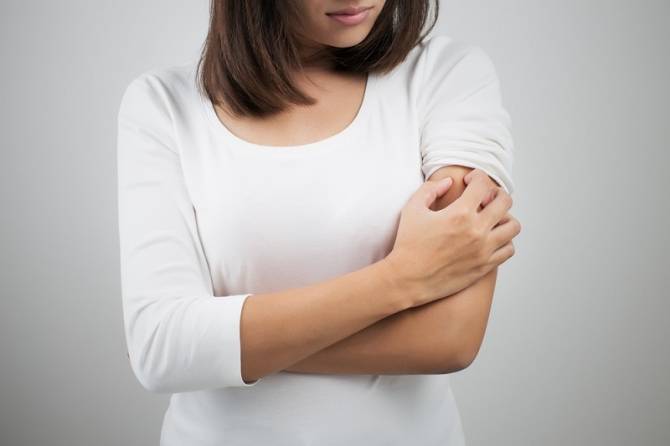
Interestingly, liver diseases can provoke skin itching (pruritus). Cholestasis is a decrease in bile secretion or its non-excretion from the liver. Sometimes pruritus accompanies cholestasis. Its mechanism of occurrence is not yet fully studied.
Theoretically, there are steroid substances produced in the process of cholesterol synthesis in an alternative way (not in the liver, as usual). This causes itching and pruritus.
In such a case, essential oils, apple cider vinegar, tea from garden nettles, baths with oatmeal, guava leaves, cayenne pepper, hemp cream, menthol, castor oil will help you.
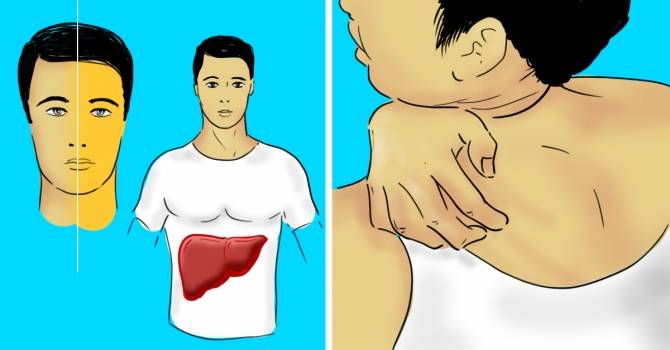
8. Symptom No. 8: jaundice
Bilirubin is formed when bile breaks down hemoglobin in blood cells. In fact, it is a breakdown product. When it accumulates in the blood, the eyes or skin acquire a yellowish tint. Jaundice most often indicates liver diseases or bile duct blockages.
9. Symptom No. 9: loss of appetite
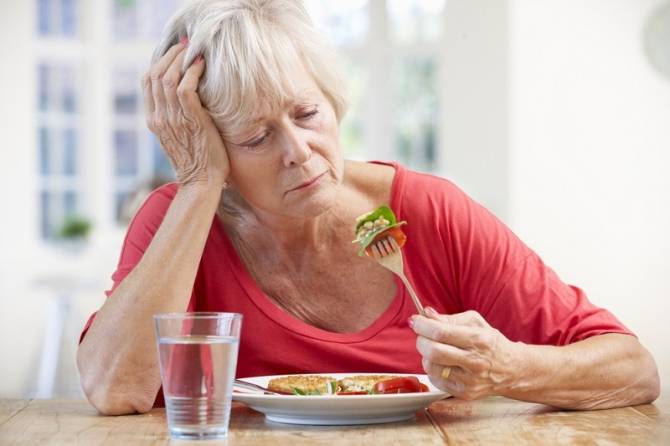
Liver diseases damage the hunger mechanism. During the immune response, cytokines (proteins that act as mediators between cells) are activated. The production of cytokines in the digestive tract causes loss of appetite.
10. Symptom No. 10: discolored feces
As is known, bilirubin colors your feces. Liver function disorders change the color of feces, but this is already a clinical manifestation of cirrhosis, tumors, gallstones, cysts, or hepatitis. If such changes are observed for a long time, consult a specialist.
11. Symptom No. 11: atypical urine color
Liver function disorders can affect bilirubin production. In such a case, the kidneys will take over its production, and the pigment will be excreted from the body along with urine.
If there is an increased amount of bilirubin, the urine color changes from light yellow to orange, golden, or brown. This may indicate liver damage.
Atypical urine color can also occur due to dehydration, excessive vitamin A, urinary tract infection, excessive protein, in case of frequent use. If atypical urine color persists for a long time, make an appointment with a specialist.
12. Symptom No. 12: constipation, diarrhea, and intestinal bleeding
In case of severe liver damage, the intestinal tract is also damaged. High blood pressure in the liver veins and arteries can cause blood vessel ruptures. This is followed by gastrointestinal tract bleeding. This can occur in the stomach, intestinal tract, or esophagus.
If a tumor develops in the liver, it can produce hormones that affect other internal organs. Hormones can affect digestive processes and cause chronic constipation. In many cases, chronic diarrhea indicates liver cancer.
Since many liver diseases are consequences of an improper lifestyle, their prevention requires adjusting physical activity and dietary regimen.
Great importance is given to giving up bad habits and observing personal hygiene (hepatitis A prevention), genital hygiene (hepatitis B and C), improving general immunity.
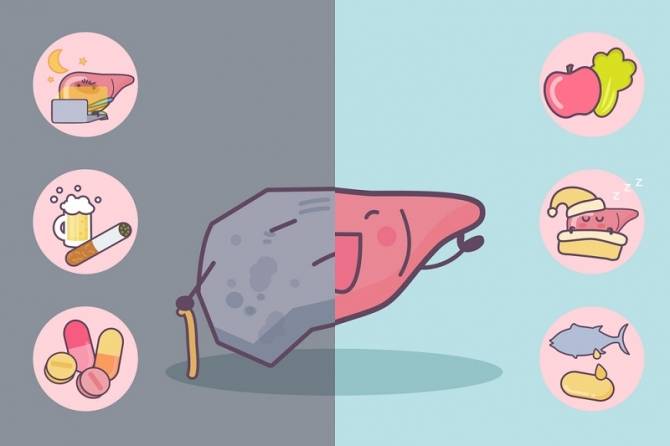
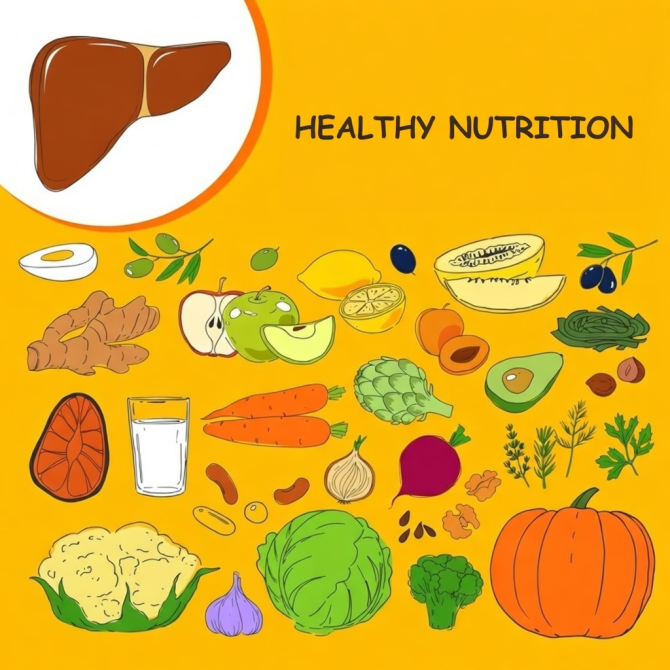
Alcohol, fatty food, chemical additives in food products, medications - this is not a complete list of our liver`s enemies. But fortunately, there are products that restore our natural filter!
Rosehip water gently cleanses the liver. This procedure is great for those who do not want to torture themselves with enemas, diets, and products unpleasant in taste.
Liked what you saw? Recommend to friends
Next post