-
- 33 x
-
https://torno.lv/xiPYmuV
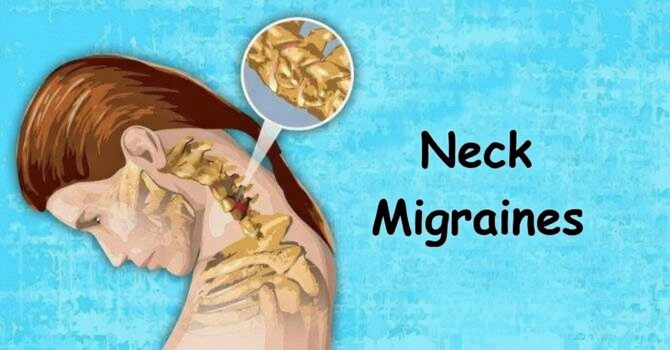
The disease that arises from the compression of nerve endings around the vertebral artery is called Barre-Lieou syndrome.
The pathology was first described in the last century: at that time it was called `cervical migraine` because one of the main symptoms of the disease is migraine-type unilateral pain.
Continuation of the article
Cervical migraine
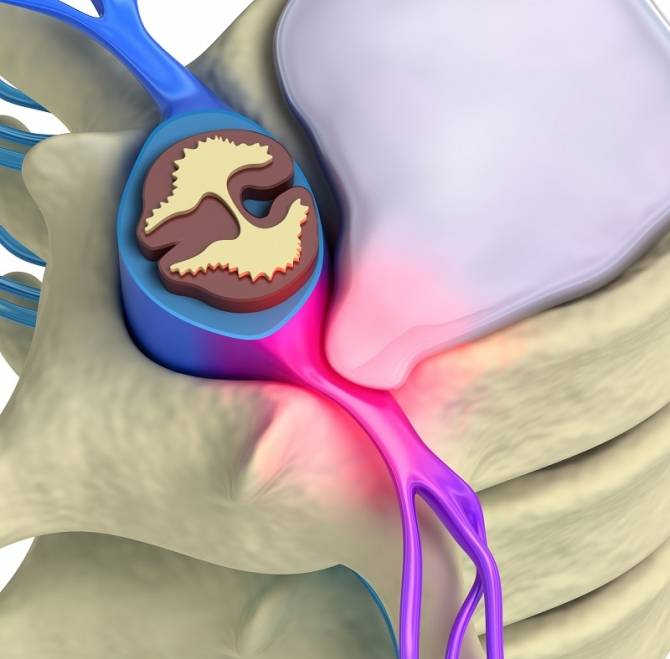
Cervical migraine develops as a result of damage to the 1st, 2nd, and 3rd cervical vertebrae, when the spinal nerve roots surrounding the vertebral artery are compressed.
The artery is also compressed. As a result, blood supply is disrupted, blood stagnates, and nerve endings begin to swell.
Circulatory disorders affect not only the neck area but also certain regions of the brain.
Pathological changes most often occur against the background of such diseases:
1. Osteochondrosis of the cervical spine, that is, damage to cartilage tissue.
2. Any congenital pathologies.
3. Any, even minor, trauma in the cervical spine area.
4. Atherosclerosis in the vertebral artery area.
5. Muscle spasms.
6. The cause of the disease can also be cervical lymphadenitis (inflammation of the lymph nodes).
Symptoms
The first thing to note is that cervical migraine appears in a person in pronounced periods. If no measures are taken, it will happen more and more frequently.
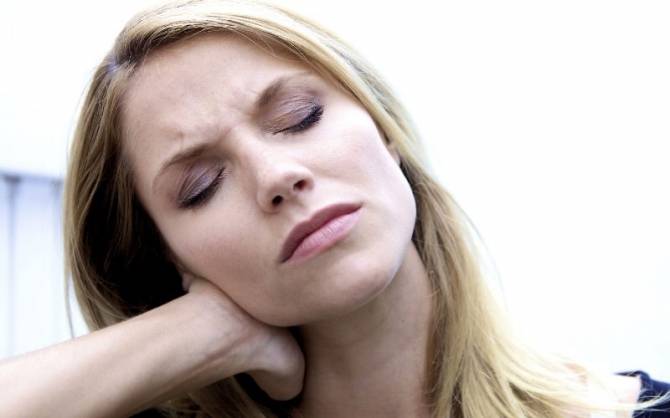
One of the main symptoms of cervical migraine is severe pain localized in the occipital area. From time to time, it may appear in the forehead area and even around the eyes.
In advanced cases of cervical migraine, temporary hearing and vision impairment may occur, the appearance of peculiar sparks from fog or flickering in front of the eyes. Possible tinnitus, nausea, dizziness.
Fortunately, a significant reduction in blood flow rarely occurs in both vertebral arteries. Therefore, in the case of cervical migraine, hemicrania-type unilateral symptoms are observed. The pain may be localized on the left or right side of the head.
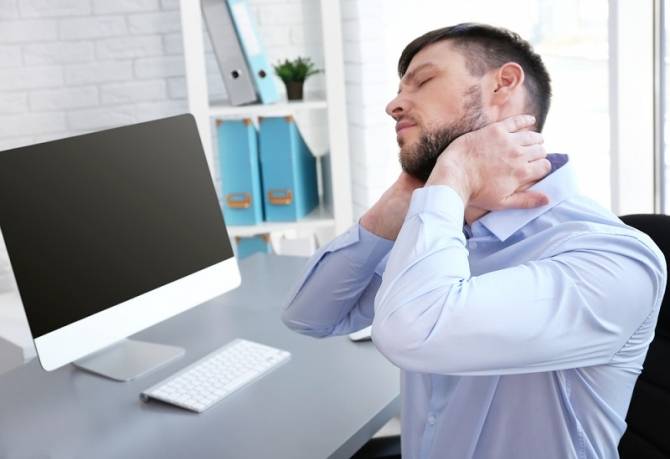
Discomfort increases when staying in a stationary position for a long time, for example, sitting at a computer without moving.
Diagnosis of cervical migraine
Diagnosing cervical migraine is quite difficult. This disease masks itself behind many manifestations, so the diagnosis can only be determined after a thorough examination.
Hardware examination methods
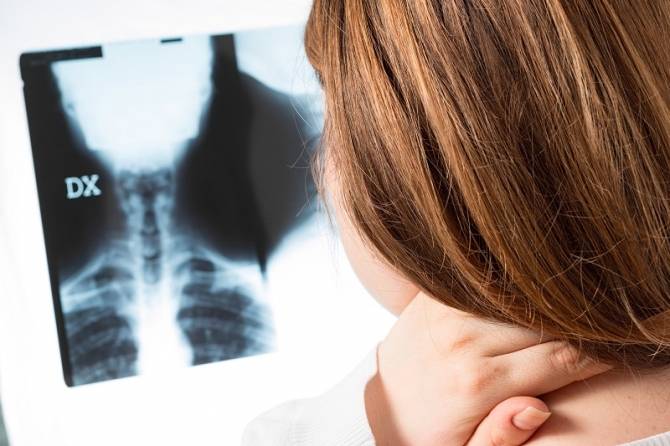
1. Radiology of the cervical spine - not the most accurate method, but it allows detecting sufficiently noticeable changes in the structure of the cervical vertebrae, clarifying the possible causes of such changes.
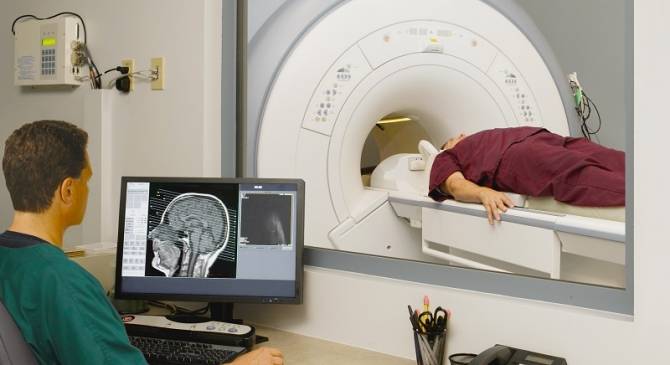
2. CT or MRI - a precise method, but less accessible. With its help, it is easy to examine the structure of each layer of the vertebra, canal, intervertebral disc, through which the given vertebral artery passes.
3. REG (rheoencephalography) - the only method that gives a real picture of blood flow in the brain as a whole. However, it is not possible to determine the patency of a specific artery.
4. Ultrasound Dopplerography - evaluates the quality of blood flow.
Treatment of cervical migraine
Treating cervical migraine is quite burdensome. However, if the disease is neglected, the patient`s condition may worsen, cause many inconveniences, and complicate life in general.
It is wrong to think that painkillers can improve the situation; they will provide temporary relief but will not stop the development of the pathology.
Treatment depends on the patient`s condition. If the disease is acute, bed rest is prescribed first, at least for three days. Sometimes the doctor recommends hospitalization to monitor the patient.
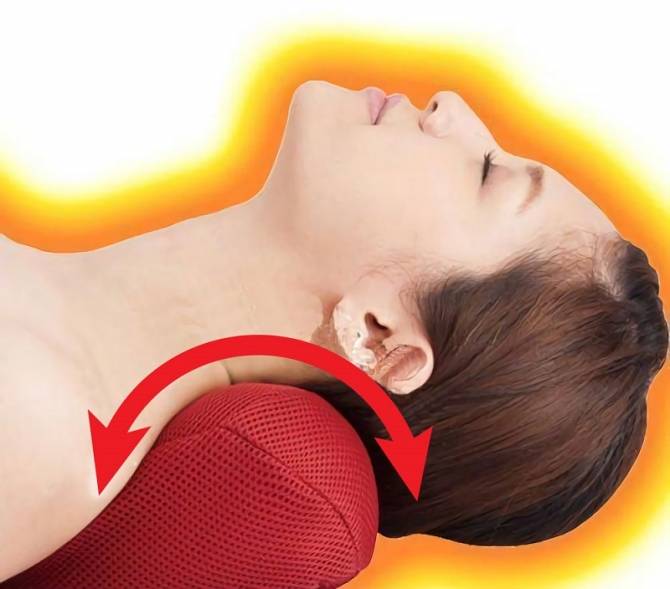
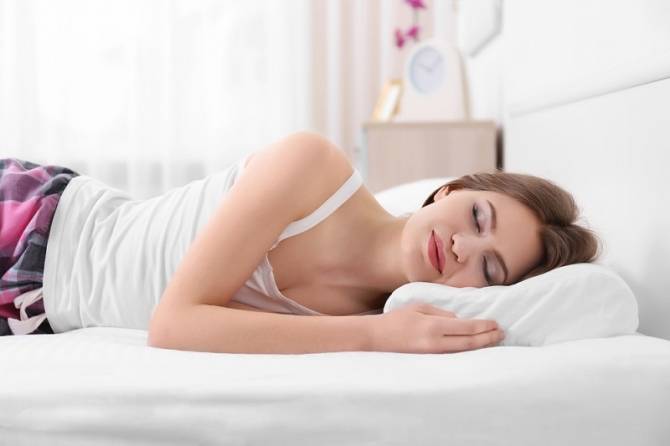
In the case of cervical migraine, one should not sleep on high pillows. It is advisable to warm the problematic area with dry heat. For this purpose, a clean sock is filled with heated sand or salt and placed under the neck. In advanced cases, the doctor may prescribe wearing a cervical collar.
Therapeutic methods in fighting the disease
1. Use of medications and vitamins
Anti-inflammatory and pain-relieving agents are used; preparations that improve blood circulation and vertebral artery patency; B-group vitamins to improve brain nutrition.
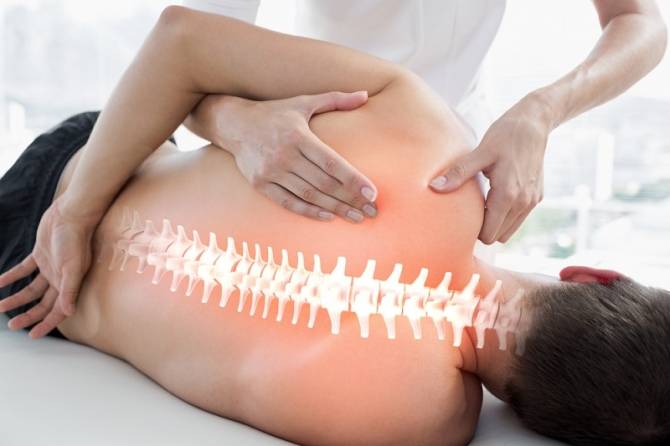
2. Therapeutic exercises and manual therapy
Mild forms of cervical migraine are successfully treated with a complex of physical exercises. The doctor, taking into account the patient`s clinical situation, prescribes a course of sessions.
Manual therapy on the problematic area can also promote recovery. But one can trust only certified specialists with extensive work experience and positive reviews.
3. Physiotherapy and alternative medicine
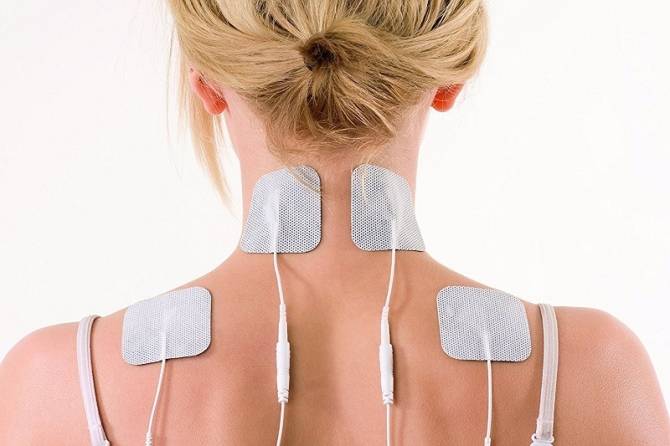
Physiotherapy and alternative treatment options are also prescribed by the doctor. For example, it could be acupuncture or hirudotherapy, depending on budget possibilities and health condition.
As physiotherapeutic aid, electrophoresis is most often prescribed. If it is not possible to undergo a course, then mustard plasters or warming ointments are used in treatment.
4. Diet and lifestyle correction
To treat cervical migraine with diet, it is necessary to include a lot of protein-rich food in the diet and consume more products with fiber, including vegetables and fruits.
From the diet, it will be necessary to exclude drinks with caffeine, products containing a lot of carbohydrates, fatty food. Also avoid food that accumulates salts in the body: grapes, sorrel, milk, and potatoes.
Increasing physical activity is possible only if the disease is in a mild form or as a supplement to medication therapy.
Often, a rheumatologist prescribes swimming, daily walks in fresh air. It is advisable to visit a sanatorium once a year, balneological resorts to maintain tone.
Prevention
Like any other disease, cervical migraine is easier to prevent than to treat. To avoid the development of Barre-Lieou syndrome, it is necessary to protect the health of the spine. Disorders in its condition affect the development of this disease.
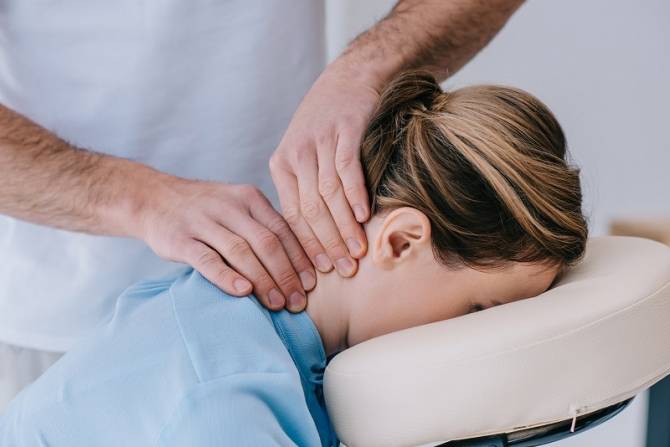
It is important to strengthen the back muscles, periodically undergo massage courses, avoid vertebral injuries, and maintain correct posture. If these tips are turned into daily necessities, cervical migraine will not threaten even in old age.
Cervical migraine can be treated if you consult a knowledgeable specialist in time and complete the full course of treatment. If the situation is neglected, pain can be alleviated.
If you think you have cervical migraine, do not try to overcome it with pills. Timely therapy will not allow the disease condition to worsen, and you will be able to live a full life!
A balanced diet, sports activities, walks in fresh air can significantly reduce the frequency and intensity of migraines. But aromatherapy helps to relieve stress and calm down.
Liked what you saw? Recommend to friends
Next post