-
- 17 x
-
https://torno.lv/xPkTifb
Foreigners are easy to recognize by details: a differently tied scarf, an unusual way of counting with fingertips, the habit of not wearing glasses, and even how they open doors when entering a room. Most of these little things a person learns in the environment where they grew up, so knowing certain signs, you can tell where they are from. And spotting an average Russian in a crowd of foreigners is usually not difficult.
We selected the most striking signs by which internet users from various countries easily identify a person born in the USSR or Russia in the 90s.
Continuation of the article
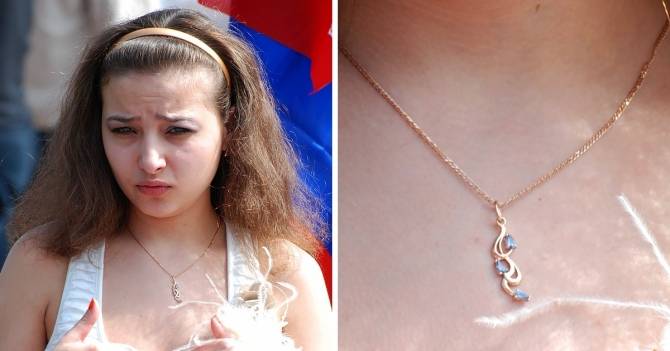
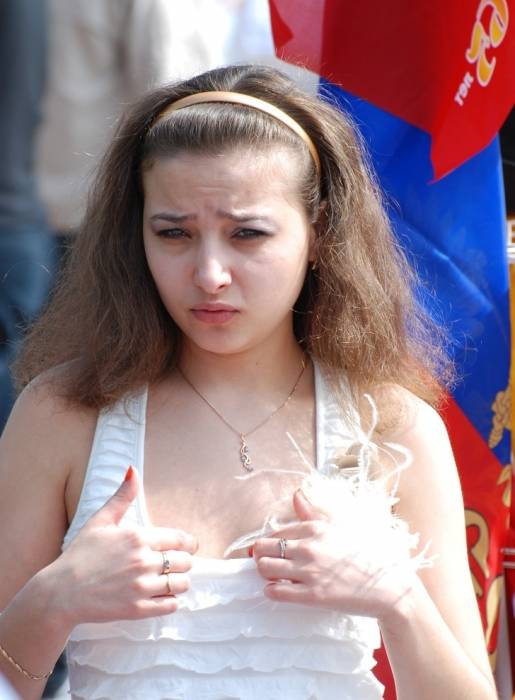
• Russian women wear proper gold chains around their necks with or without a cross. Many adorn their ears and hands with precious metals, regardless of their standard of living. According to one version, this tradition came from Eastern peoples: for women, gold was always a universal exchange currency that saved in complicated situations.
• A Russian man will not order schnapps with ice, let alone in a martini glass. In Russia, strong alcohol is poured already chilled into small glasses, drunk at once, and followed by a snack. Diluting such a drink with ice, carbonated water, or juice is not accepted.
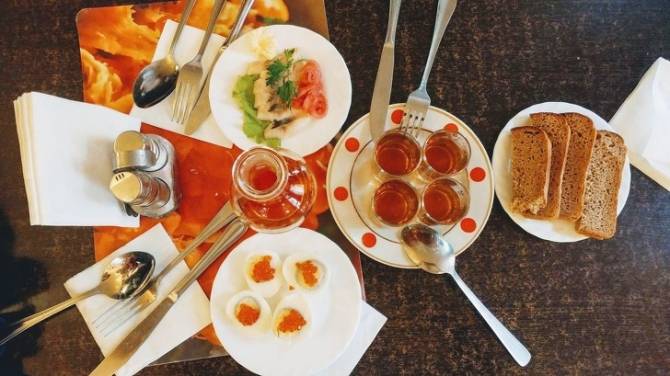
• A person from Russia eats soup with bread, although in other countries it is served with the second course.
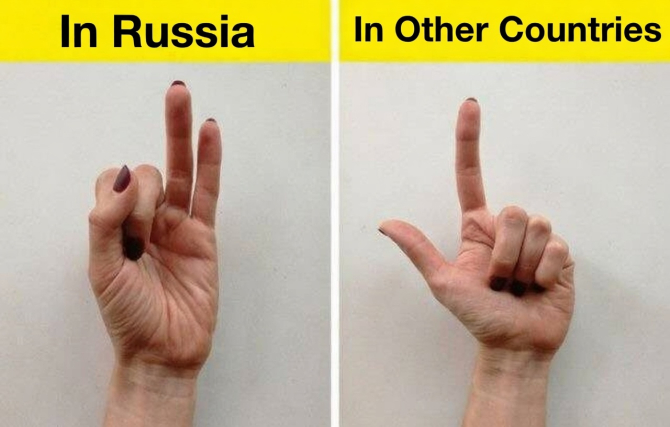
• When counting, a person of Russian nationality bends fingers, clenching them into a fist. In other countries, they do the opposite: from a fist, they unfold fingers, exposing the palm. According to one version, this is associated with additional meaning in the gesture: in Russia, originally, with hands they counted what is in possession or what is received, but in Europe – how much is given away.
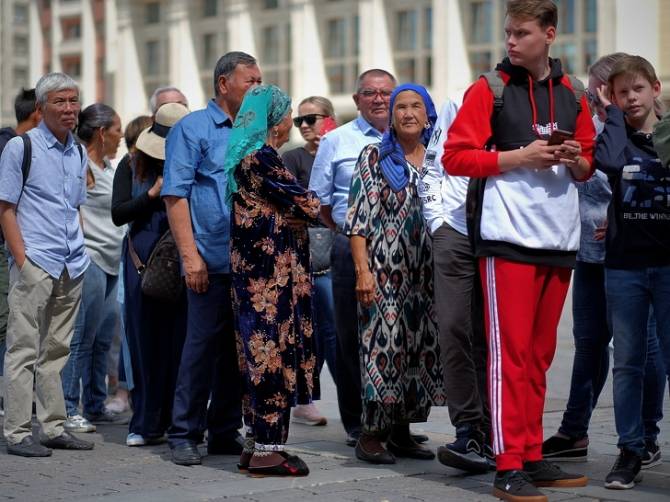
• In summer, Russian women choose to wear bright (usually turquoise) colors. But in winter, on the contrary, they choose black, gray, and brown shades of clothes, on which mud traces are not noticeable.
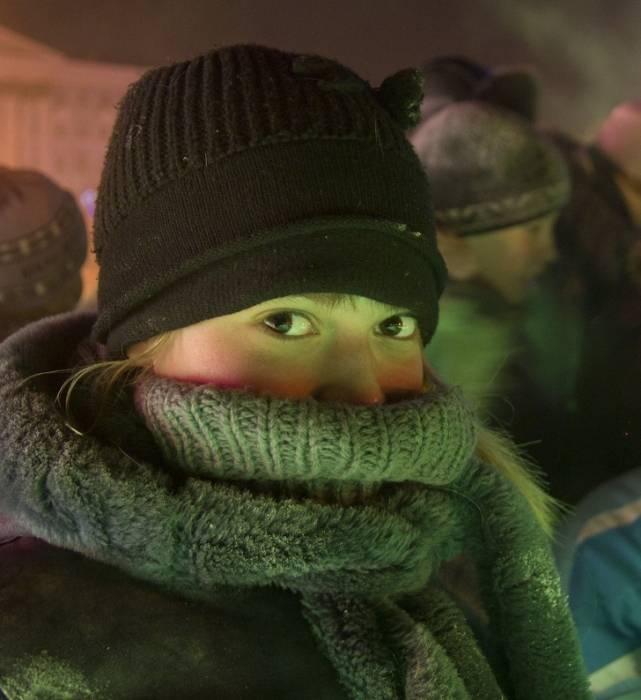
• In strong frost, Russians wrap a scarf around the neck so that its ends cover the chest. In great cold, additional protection is provided by a sweater with a high collar and a warm shawl if there is no hat. In other countries, a warm scarf is often worn over a jacket or under the collar, only slightly covering the neck.
• At a visit, a Russian person will refuse to sit on the bed in `street` clothes, even if it is covered with a blanket, but all seats are taken. Because at home, it is customary to change into `home` clothes that do not have street germs.
• People from Russia usually write in cursive and with a slant even printed letters. Exceptions - artists, designers, engineers, and architects.
• Russian men usually fasten their pants after stepping away from the urinal. In other countries - they fasten the pants and then step away.
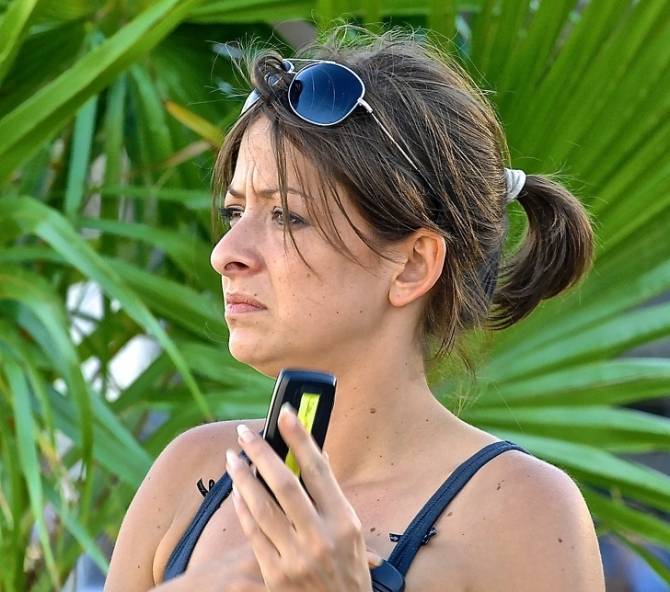
• Many women from Russia wear sunglasses in their hair like a barrette. But ordinary glasses in a bright frame are considered eccentric.
• At a `Swedish table,` people from Russia move parallel to the serving line, usually taking more than they can eat. Residents of many European countries usually walk around all the counters and then take food.
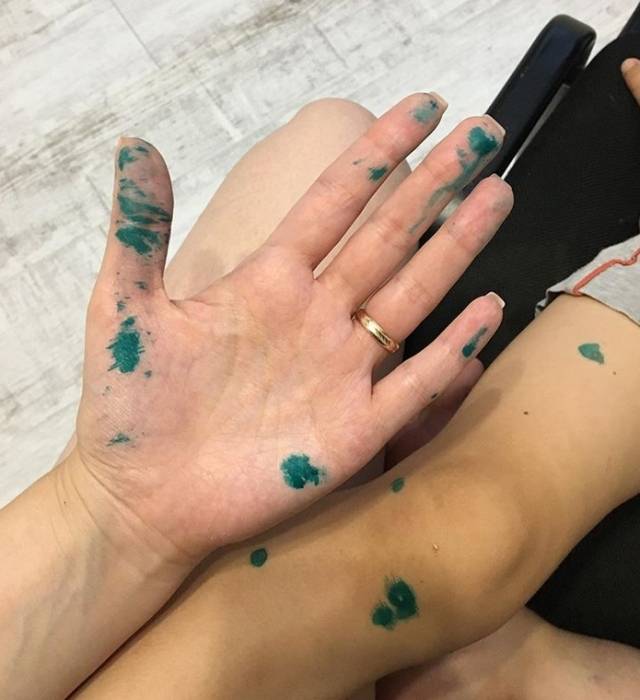
• Iodine or brilliant green solution stains on a person`s body indicate that they are most likely from Russia, because nowhere else do they treat wounds like that.
• Men do not have the habit of shaking hands with ladies, as it is not accepted in Russia.
• When crossing the road, a Russian person automatically looks first to the left, then to the right. Even if the traffic is one-way.
• In public transport or in line, a person from Russia will stand close to other people even if it is possible to maintain distance, unintentionally violating someone`s personal space.
• When leaving the table, a person from Russia may habitually not push the chair back to the table.
• Women of any age from Russia like to be on the beach in bikinis to get the maximum tan after a long winter. In other countries, women of mature age choose closed swimsuits.
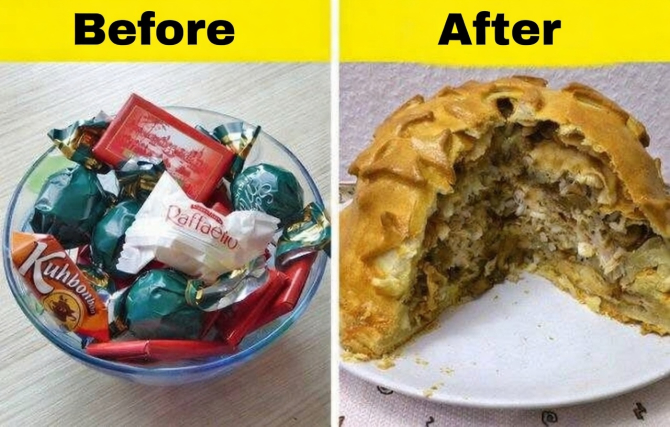
• When going to visit, Russians bring something as a gift, even if they just went for coffee. But when returning a plate, they definitely put something in it: candies, but for closest friends – cakes or pancakes made according to a family recipe.
• A Russian person is unlikely to praise you just like that, but will criticize from the heart. Not to shame or offend, but to point out mistakes that need to be corrected to become better. But praise is only for those who do something truly heroic.
Tell us, have you managed to recognize a Russian person abroad at first glance? What habits, gestures, or items of appearance gave it away?
Liked what you saw? Recommend to friends
Next post